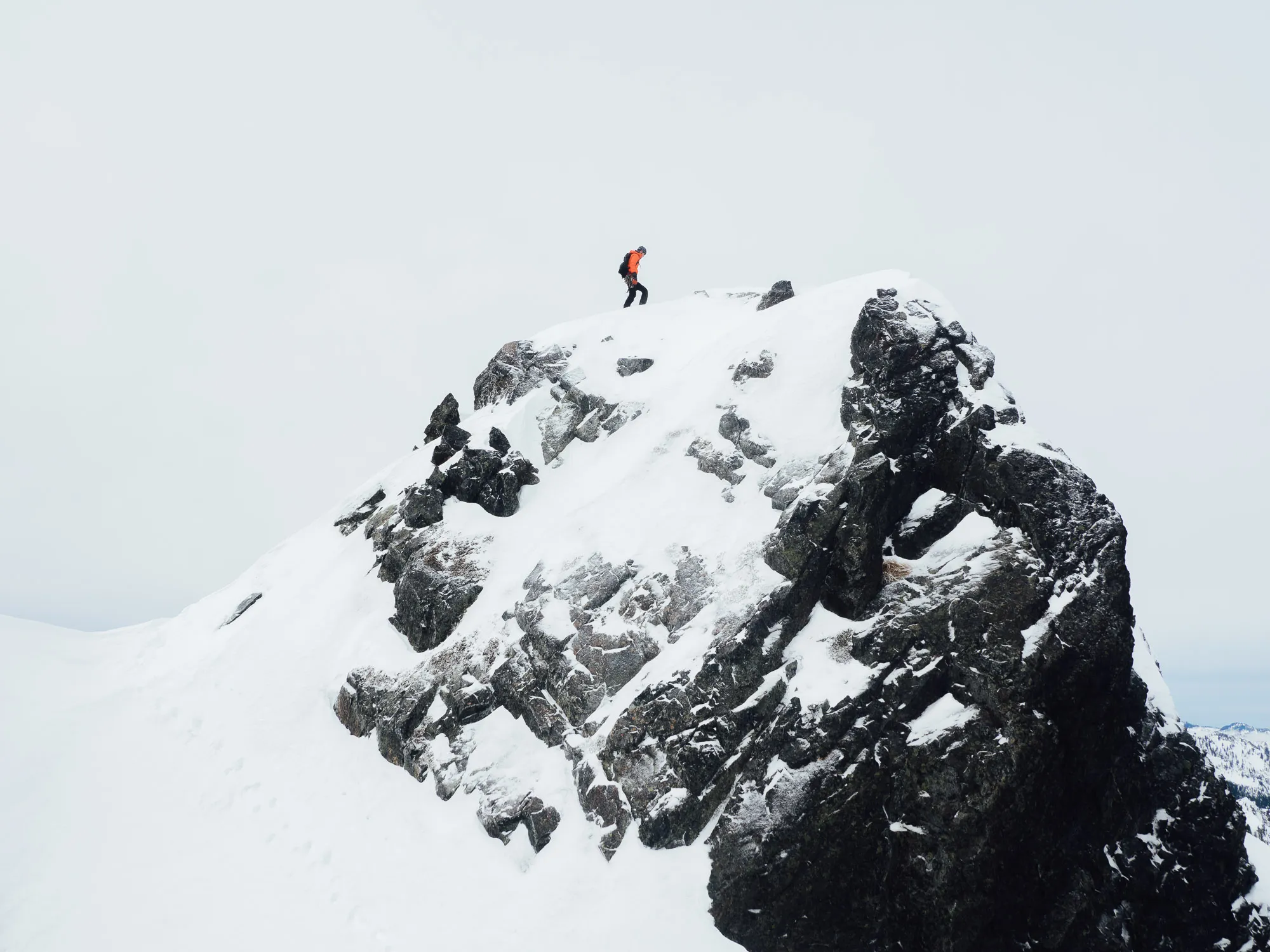
Winter Climbing
This is an article that I wrote for MSR’s blog. You can find it published on their site here.
The freedom of moving high in the mountains is one of the best feelings in the world. Unfortunately for many with the mountain climbing bug, these experiences are limited to a few summer-time months. If this is you, then what do you do with your mountain-starved soul the other eight to nine months out of the year? Do you catch yourself dreaming of trails through colorful alpine meadows and scrambles up high rocky ridges? You might be able to keep your soul semi-satisfied by climbing lowland rock, heading to the busy ski resort, or holing up with some good mountaineering literature, but we all know that these are just meager replacements for the real thing—the deeply rewarding adventure of climbing mountains.
So why not climb mountains the rest of the year as well? Particularly, in the winter and spring?
Yeah, it’s complicated, I know. The weather is not as good. Days are short. It’s really, really cold. Snow and ice make what would be simple summer scrambles committing and dangerous. There’s the risk of an early entombment by avalanche. And all that extra gear…
But I would argue that it’s worth it. So worth it. If not just for the freedom and challenge of moving in the hills year-round, off season climbing is great preparation for bigger mountains like Mt. Rainier or Denali, where “winter conditions” permanently exist.
After I moved to Seattle two years ago, I had a hard time getting though my first Pacific Northwest winter. It was rainy and dark, and the dry and sunny rock climbing that I was used to coming from the Front Range of Colorado was not always an option. I realized I needed to diversify my skillset, otherwise I’d be stuck daydreaming of summer. Enter winter climbing.
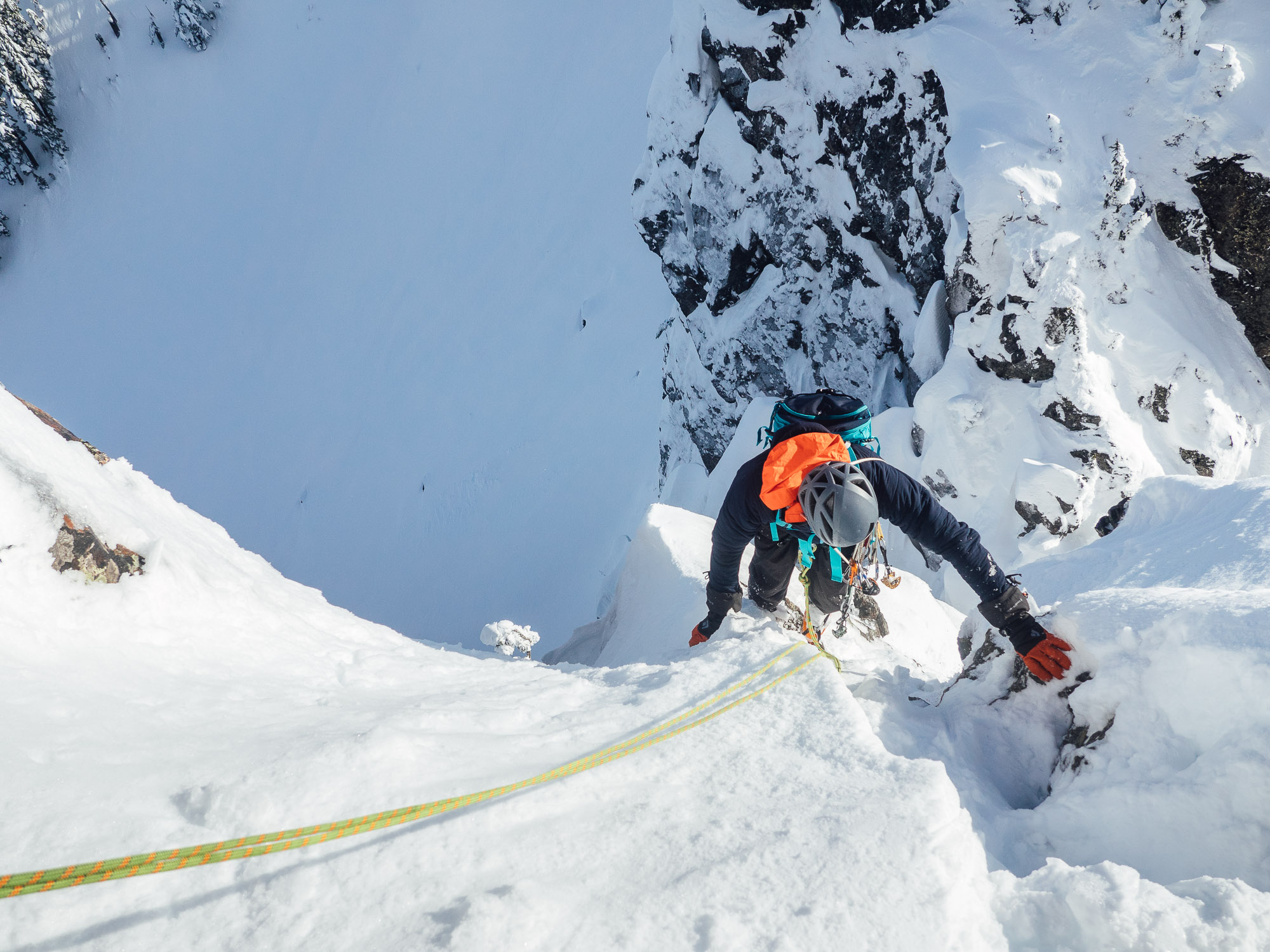
1. Find a partner and/or mentor.
This might be the crux! Finding someone with an obsessive love for the mountains to be your partner on cold winter climbs can be tough.
Ideally this person is more experienced then you and can act as a mentor. The nuances of snow, weather, clothing, and equipment are a bit overwhelming in the winter, so it is almost essential to find someone to learn from. And sadly, the practice of mentoring seems to be dying out in our Information Age. You can easily find articles like this and go try something new on your own, which is good and bad. It’s wonderful that you can learn so much for free and on your own, but nothing replaces being “in the field” with someone more knowledgeable than you. So how do you find a mentor? First, they are never strangers—they can only be found among the people with whom you already interact. Search your current network. Maybe you can be introduced to a friend-of-a-friend who gets after it year ‘round. Oftentimes it is the mentor that chooses you, not the other way around. So be someone you would want to climb with.
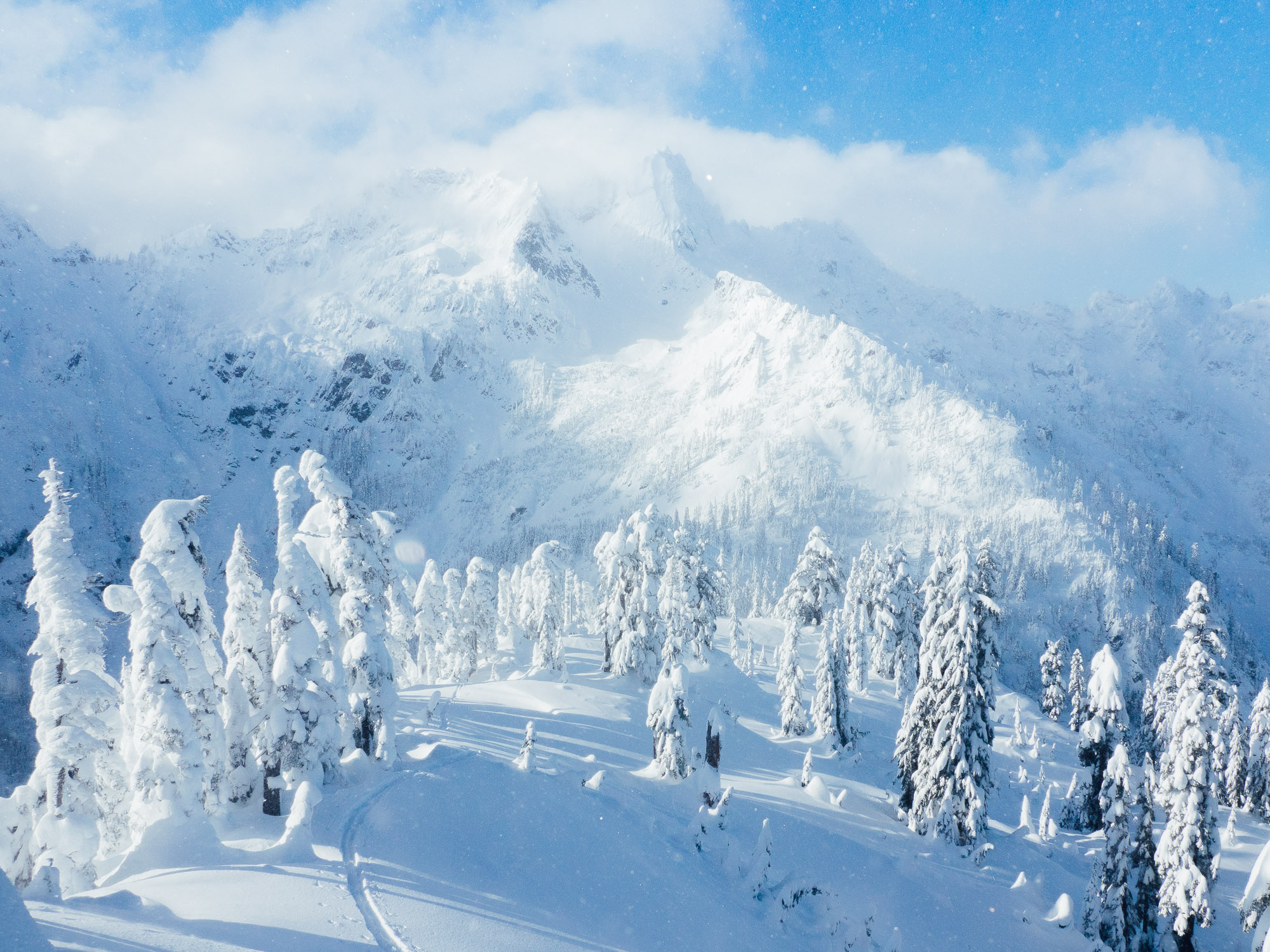
2. Learn about snow.
Avalanche awareness may be the biggest barrier to getting into winter climbing. Don’t let it be a barrier and be proactive about learning. There are abundant resources out there. Reading a book with good visuals is also recommended, but there is no replacing learning from experience. Taking an avalanche awareness course is recommended, especially if your climbing partner is not an expert. Most areas have avalanche danger forecasting, like what’s provided by the Northwest Avalanche Center here in Washington.
Cornices, another winter-specific danger, form when windblown snow accumulates horizontally on ridge crests, hanging suspended out past supporting rock. Like avalanche slopes, cornices can collapse without warning, or a climber could break through. To be safe, travel well below the probable fracture line, which can be much lower than you’d think. Mature cornices could have a fracture line 30 or more feet back from the lip. The safest strategy is to completely avoid traveling near cornices.
3. Pick an objective.
Start small. Pick a route that you can very comfortable climb without a rope in the summer. This may mean a class 1 “hike.” Remember that what is trivial in the summer turns into an exciting challenge in the winter. Think Grade 1 or 2 for starters. Winter specific route information can be hard to find. Some winter climbing beta can be found on SummitPost.com, so start here. Study route beta for summer conditions online (summitpost.com and mountainproject.com) and in physical guidebooks, and check online trip reports, at the very least. You can’t bet on finding a climbers trail—it will be buried in snow!—so it is extra important to be knowledgeable of the main features of your chosen route. Print out a photo of the whole route to take with you, as well as extra photos of key features, including the descent (!!).
I’ve listed a few examples climbs to get the wheels turning. There is lots of information online about each of these popular routes. If you pick a nice weekend day to climb any of them, you should have company and hopefully a pre-broken trail!
… (examples and gear lists continue as in original; images preserved) …
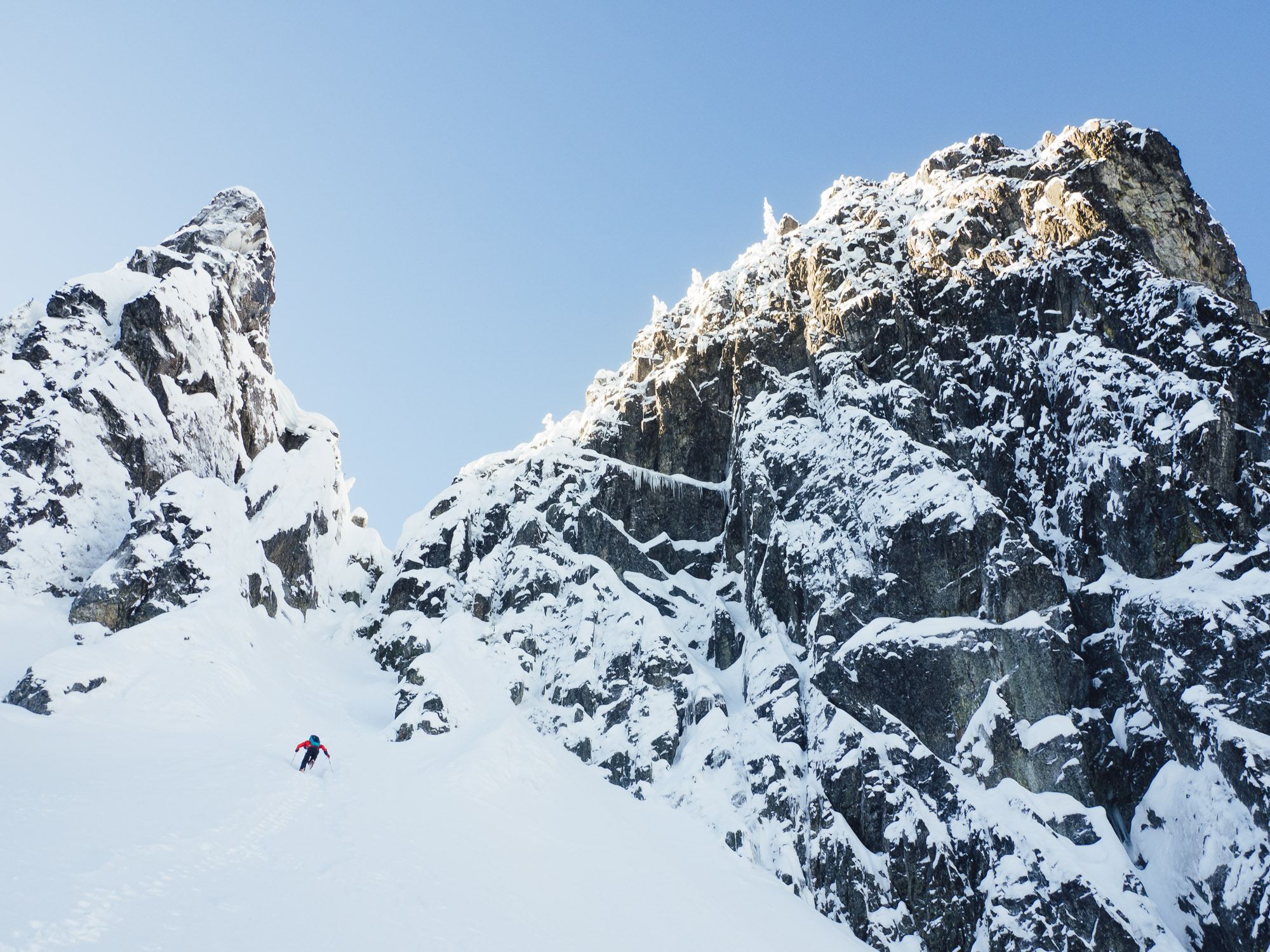
4. Gather the right clothing.
…
6. Go for it!
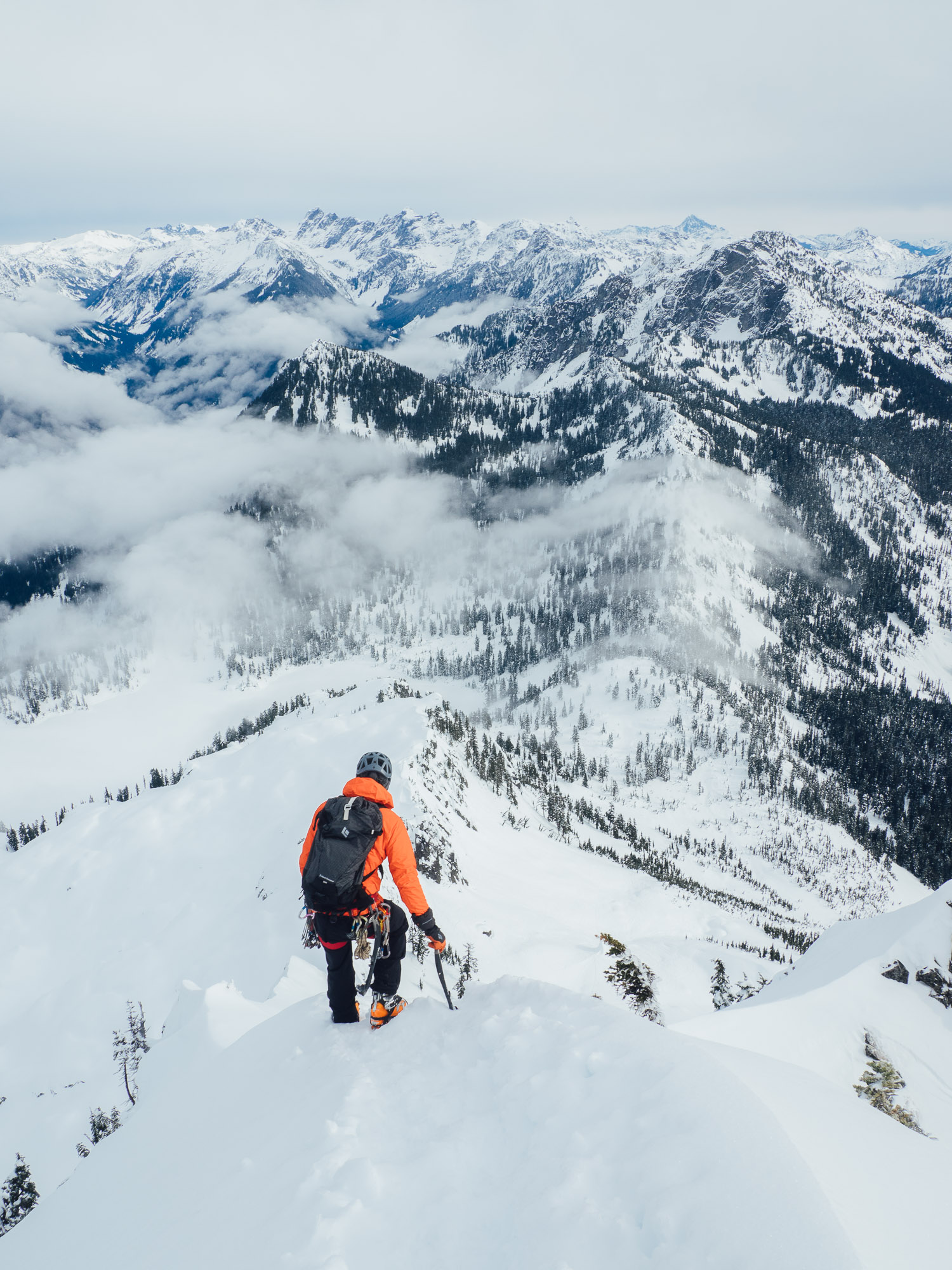
Start small and find the right challenge for you. If you want, take a course. Many guiding companies offer winter climbing courses in New England, the Rockies, Sierras, and Cascades. Try to find opportunities to learn new skills like ice climbing and backcountry skiing that you can bring to the mountains in winters to come. Check the weather. Check noaa.gov and use the spot forecasting function. Mountain-forcast.com is also helpful. Call the local ranger station to ask about up-to-date conditions if you can. Most importantly, get out there, make wise decisions, and enjoy the beautiful transformation winter brings to the mountains.